Overview of Credit Reports: How Can I Check My Credit Report For Free
How can I check my credit report for free – Credit reports are essential documents in personal finance that provide a comprehensive overview of an individual’s credit history and credit behavior. They are critical for lenders as they help assess the risk associated with lending money or extending credit. A credit report typically includes several components, such as your credit accounts, payment history, and any inquiries made into your credit.
Understanding these components is important, as they can significantly influence your ability to secure loans, credit cards, and the interest rates you may be offered.The primary components of a credit report include:
- Credit History: This section Artikels your payment history on credit accounts, including whether payments were made on time.
- Accounts: Details about your open and closed credit accounts, including credit cards, mortgages, and loans.
- Inquiries: A log of all the requests made by lenders to check your credit report, which can affect your credit score if too many inquiries are made in a short time frame.
A positive credit report can lead to better loan terms, lower interest rates, and increased chances of approval for credit applications.
Free Methods to Check Your Credit Report
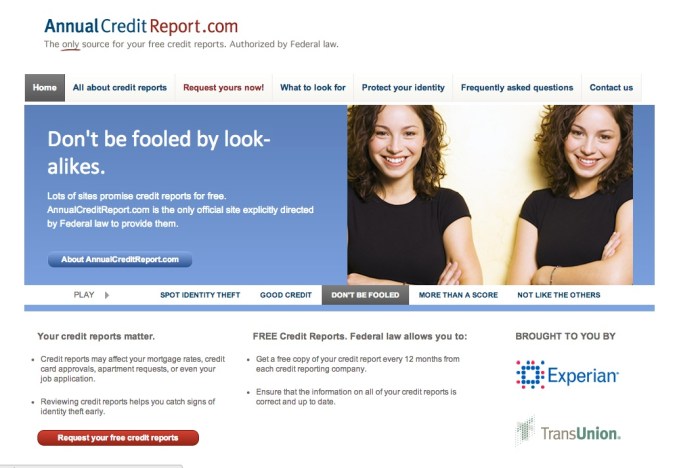
There are several government-sanctioned methods to access your credit report for free, ensuring individuals can monitor their financial health without incurring additional costs. It’s crucial to utilize secure and legitimate sources to avoid scams or unauthorized access to your personal information.To access your free credit report online, follow these steps:
- Visit the official website AnnualCreditReport.com, which is authorized by federal law to provide free credit reports.
- Fill out the required information including your name, address, Social Security number, and date of birth to verify your identity.
- Select the credit reporting agencies from which you wish to receive your report (Experian, TransUnion, or Equifax).
- Answer security questions to confirm your identity based on your credit history.
- Review your report carefully and save or print it for your records.
Frequency of Checking Credit Reports
Monitoring your credit report regularly is a proactive way to manage your financial health. It is generally recommended to check your credit report at least once a year. However, if you are planning to make significant financial decisions, such as applying for a mortgage or car loan, consider checking it more frequently.The benefits of regular monitoring include:
- Identifying errors or inaccuracies that could negatively affect your credit score.
- Detecting potential fraud or identity theft early.
- Gaining a better understanding of your creditworthiness and financial standing.
Organizing a calendar can be helpful in tracking when to check your credit report. For instance, schedule checks every four months by requesting reports from different agencies, allowing you to stay updated throughout the year.
Interpreting Your Credit Report
Understanding how to read your credit report is vital for effective credit management. Each section of a credit report provides critical information regarding your credit behavior and financial reliability.Key sections include:
- Personal Information: This includes your name, address, and Social Security number.
- Account Information: Each credit account is listed here, detailing the type of account, the date it was opened, credit limit, and payment history.
- Public Records: This section includes any bankruptcies, liens, or judgments against you.
- Credit Inquiries: A summary of who has requested access to your credit report.
Common terms in credit reporting include “utilization ratio,” which reflects the amount of credit you are using compared to your total available credit, and “delinquency,” which refers to late payments. Identifying discrepancies and errors is crucial; ensure all information is accurate and up-to-date.
Addressing Errors on Your Credit Report, How can I check my credit report for free
If you find inaccuracies in your credit report, it’s important to dispute them promptly to protect your credit score. The process for disputing inaccuracies typically involves several steps.Here’s a step-by-step guide:
- Identify the errors clearly on your credit report.
- Gather supporting documentation that substantiates your claim, such as payment receipts or correspondence with creditors.
- Contact the credit reporting agency that issued the report via their dispute process, which may include online forms, written letters, or phone calls.
- Provide all necessary details and documentation to support your dispute.
- Await the agency’s response, which must typically be provided within 30 days.
Commonly disputed items include inaccurate account balances, incorrect payment history, and accounts that do not belong to you. Resolving these errors can have a positive impact on your overall credit health.
Additional Resources and Tools
There are numerous tools and resources available to help individuals monitor their credit. These resources can simplify the process of tracking and managing your credit score effectively.Here are some valuable options:
- Credit Monitoring Services: Services like Credit Karma or Credit Sesame offer free access to your credit score and report monitoring.
- Mobile Apps: Applications such as Mint or Experian provide tools to track your credit score, budgeting, and financial health.
- Financial Literacy Resources: Websites like the Consumer Financial Protection Bureau (CFPB) offer educational materials on understanding and managing credit.
Utilizing these resources can empower individuals to make informed decisions regarding their credit management.
Importance of Credit Scores
Credit scores play a crucial role in the financial landscape, as they are often derived from the information found in your credit report. Understanding how credit scores are calculated can help you maintain a favorable score.Key factors influencing credit scores include:
- Payment History: Timely payments boost your score, while missed payments can significantly lower it.
- Credit Utilization: Keeping your credit utilization below 30% of your total available credit is recommended.
- Credit History Length: A longer credit history can positively affect your score.
Different scoring models exist, like FICO and VantageScore, and they may weigh factors differently. To improve your credit score, consider strategies such as paying bills on time, reducing debt, and avoiding new hard inquiries.