Strategies for Managing Business Investments Wisely
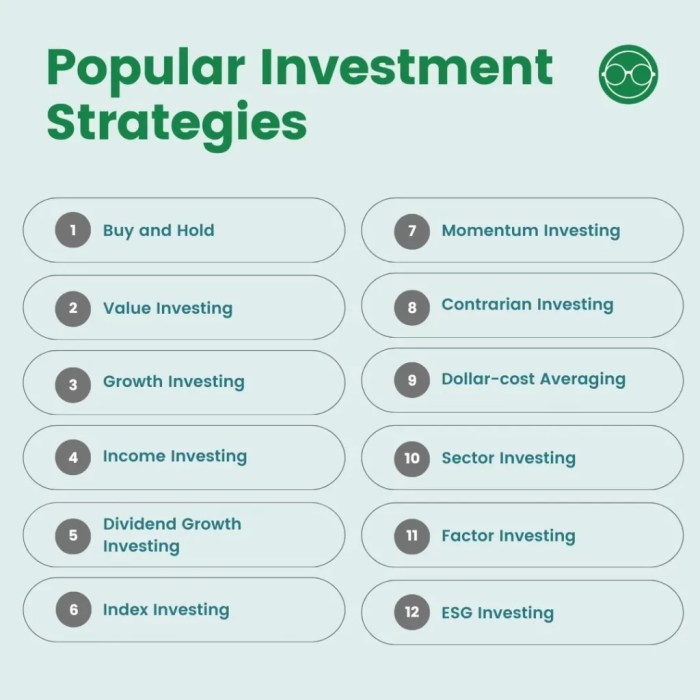
Strategies for managing business investments wisely – Investing wisely in business is crucial for long-term sustainability and growth. The manner in which investments are managed directly impacts a company’s financial health and operational efficiency. By understanding the significance of effective investment strategies, businesses can avoid common pitfalls and cultivate a robust investment portfolio that aligns with their goals.
Importance of Wise Business Investment Management
Managing business investments wisely is vital for several reasons. Effective investment management ensures that resources are utilized efficiently, maximizing returns while minimizing risks. Long-term benefits of successful investment strategies include enhanced cash flow, increased market share, and the ability to seize new opportunities as they arise. However, common pitfalls such as emotional decision-making, lack of research, and failure to diversify can lead to significant financial losses.
Assessing Investment Opportunities
Evaluating potential investment options requires a detailed approach that encompasses thorough research and analysis. Before investing, businesses should conduct comprehensive market research to understand industry trends, competitive landscapes, and consumer behaviors. Techniques to analyze the financial health of a business include reviewing financial statements, assessing cash flow, and evaluating profitability ratios.
Diversification of Investments
Diversification is a strategic approach to investment that reduces risk by allocating resources across various asset classes. This includes stocks, bonds, real estate, and alternative investments. By diversifying their portfolios, businesses can mitigate the impacts of market volatility. Successful examples of diversification strategies include tech companies investing in sustainable energy sectors or retail giants branching into e-commerce platforms.
Risk Management in Investments
Identifying and managing risks associated with investments is crucial for safeguarding assets. A well-structured risk assessment plan involves identifying potential risks, analyzing their impact, and developing mitigation strategies. Common methods for mitigating risks include setting stop-loss orders, diversifying portfolios, and regularly reviewing investment performance.
Monitoring and Evaluating Investments, Strategies for managing business investments wisely
Ongoing monitoring of investments is essential for ensuring they meet performance expectations and align with business goals. Key performance indicators (KPIs) for investment evaluation may include return on investment (ROI), earnings before interest and taxes (EBIT), and growth rates. Establishing a structured plan for regular investment reviews allows businesses to make informed adjustments based on market conditions.
Strategic Planning for Future Investments
Strategic planning plays a pivotal role in shaping future investment decisions. A comprehensive investment strategy involves assessing current assets, setting clear objectives, and outlining actionable steps to achieve those goals. Aligning investments with business objectives ensures that resources are directed toward initiatives that drive growth and innovation.
Leveraging Technology in Investment Management
The impact of technology on investment management processes cannot be overstated. Tools and software, such as financial modeling applications and investment tracking platforms, can significantly enhance investment analysis. Additionally, data analytics enables businesses to make informed decisions based on market trends and predictive modeling, thus improving the overall efficacy of their investment strategies.
Seeking Professional Guidance
Consulting with investment professionals or advisors can provide invaluable insights into managing investments effectively. When selecting the right investment advisor, businesses should consider qualifications, experience, and the advisor’s understanding of their specific industry. Continuous education in investment management is equally important, as it equips professionals with the latest strategies and market insights necessary for informed decision-making.